



Extendicare offers exposure to a growing healthcare services market, with opportunities to expand through acquisitions, organic growth and operational efficiencies. Its outlook is constructive if the company integrates its acquisitions successfully, protects margins and converts revenue growth into sustainable cash generation.
Business model: Three complementary engines
Extendicare operates through three principal segments, providing exposure to different aspects of Canada’s senior-care market.
Home healthcare: Through ParaMed and its expanded home healthcare operations, the company provides nursing, rehabilitation and personal support services. This segment has become a major growth driver following the acquisitions of Closing the Gap and CBI Home Health. Demand for care delivered at home offers opportunities to expand service volumes.
Long-term care: Extendicare operates long-term care homes providing accommodation, nursing and personal care. Occupancy remained strong at 98% in Q2-2026. Revenue growth can benefit from funding increases, improved occupancy and additional capacity, but labour, regulatory and operating-cost pressures are also there.
Managed services: Extendicare Assist and its SGP Purchasing Network provide management, consulting and purchasing services to care providers. This segment offers a complementary revenue stream, with managed services potentially benefiting from scale without requiring the company to own or operate every facility it serves.
The combination gives Extendicare a broader business platform than a traditional long-term care operator.
Financial performance: Strong growth, with integration
Extendicare’s Q2-2026 results demonstrated a substantial increase in operating scale. The figures below are in Canadian dollars unless stated otherwise.
Revenue: C$611.0 million, up from C$383.4 million in Q2-2025.
Net operating income: C$86.2 million, compared with C$55.0 million.
Adjusted EBITDA: C$68.3 million, up 71.7% year over year.
Adjusted funds from operations: C$36.5 million, up from C$24.8 million.
The company also incurred C$8.1 million in interest and costs associated with the early repayment of long-term debt.
For the first six months of 2026, revenue reached C$1.076 billion and adjusted EBITDA was C$121.2 million. AFFO increased to C$69.2 million from C$44.6 million in the corresponding 2025 period.
These results indicate that the business is expanding and improving its operating earnings. The next test is whether the acquired businesses can sustain their contribution.
Acquisition strategy: Growth opportunity and financial obligation
The acquisitions substantially increased the company’s home healthcare volumes and strengthened its position across the continuum of senior care. They also created opportunities to combine administrative functions, improve purchasing efficiency and expand its reach.
But acquisitions are not automatically value-creating. The company must generate enough additional cash flow to justify the purchase price and financing costs.
Successful integration could support further earnings growth. Disappointing margins, persistent cost pressures or slower-than-expected cash generation would weaken that outlook.
Industry outlook and growth drivers
Canada’s ageing population provides a long-term demand driver for home healthcare and residential care. Extendicare’s strategy of expanding across both markets positions it to participate in this trend.
The principal growth drivers are:
Rising demand for home-based nursing and personal support.
Improvements in operating efficiency with acquired businesses.
Funding adjustments and occupancy in long-term care.
Expansion of managed services and purchasing-network activity.
Opportunities to add scale.
These are the structural opportunities, but labour availability, wage inflation, provincial funding decisions and regulatory requirements will influence how much of the demand growth converts into profit.
Technical outlook: Recovery requires confirmation
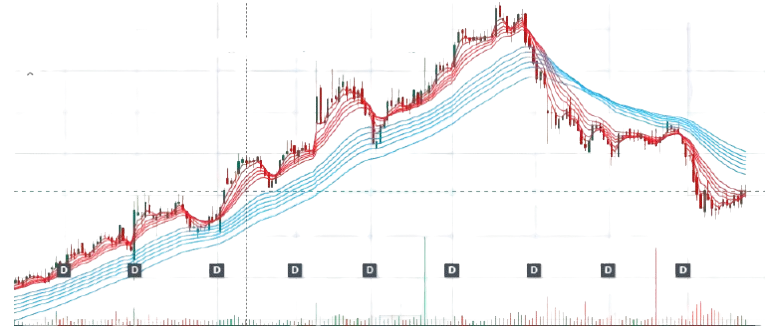
The available market data show that Extendicare’s share price was below its reported 50-day moving average of approximately C$29.80 and 200-day moving average of approximately C$29.80. Its reported RSI, indicating neutral momentum rather than a deeply oversold reading.
The technical setup therefore calls for caution despite the improving operating results.
Near-term support to monitor: C$26.50–27.00.
Initial resistance: C$29.80–30.00.
A sustained move above the moving-average zone would provide an initial sign of recovery. Failure to hold support could extend the correction and delay the market’s recognition of the company’s improving fundamentals.
Price targets and investment scenarios
The following are illustrative research estimates, not company guidance or verified analyst consensus. They assume successful integration, continued operating growth and no material deterioration in funding, costs or financing conditions.
Short term: C$29–31. A recovery toward this zone would require the stock to stabilise and reclaim its initial resistance area.
Medium term: C$32–36. This range depends on improving technical momentum and evidence that acquisition-related earnings gains are sustainable.
Long term: C$38–42. This scenario assumes continued growth in cash flow, successful integration and a valuation that remains supportive.
These targets should be reassessed after the next earnings release, particularly in light of changes in debt, AFFO, margins and management guidance. Extendicare’s Q3-2026 results are scheduled for release on 6 November 2026, making that an important upcoming checkpoint.
Principal risks
The investment thesis could weaken if acquisition integration takes longer than expected, labour costs rise faster than reimbursements, or government funding fails to keep pace with operating expenses.
Higher debt and interest costs could also constrain cash available for reinvestment and dividends. Furthermore, a stock trading below its key moving averages may remain under pressure even if reported earnings improve.
Investors should distinguish between business growth, and shareholder returns. Revenue expansion alone is insufficient if it requires substantial capital, increases financial risk or fails to produce attractive returns.
A growing business, but execution will determine returns
Extendicare offers an investment case built around long-term demand for senior care, an expanding home healthcare platform and stronger operating earnings. Q2-2026 results show that the business has achieved considerable scale, while acquisitions provide further opportunities for growth.
The Listed Edge view: Extendicare merits consideration for a medium- to long-term research watchlist. Its growth prospects are constructive, and valuation, integration, debt and technical resistance remain important constraints. A sustained recovery in price action, supported by continued earnings and cash-flow progress, would strengthen the investment case.
Disclaimer: This report is for informational and educational purposes only and does not constitute investment advice or a recommendation to buy or sell securities. The analysis, financial data and illustrative price targets are based on publicly available information and are subject to change and uncertainty. The writer has no association, affiliation or business connection with the company discussed. Readers should conduct their own due diligence before investing. The Listed Edge and the writer accept no responsibility for investment losses arising from reliance on this report.